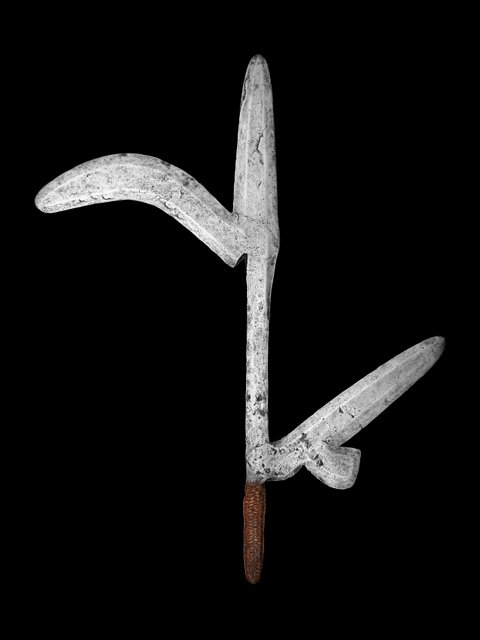
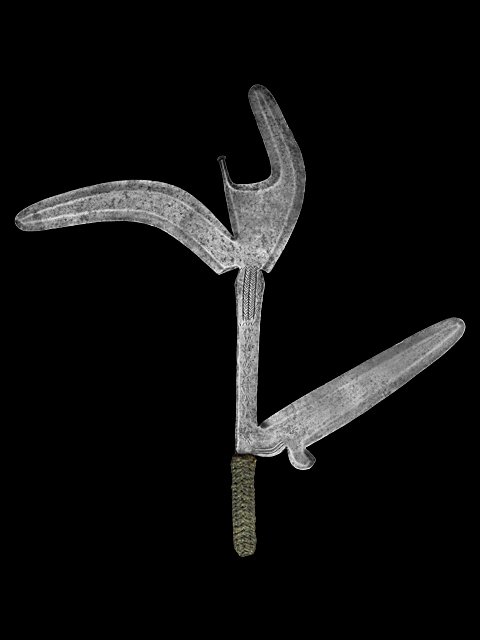
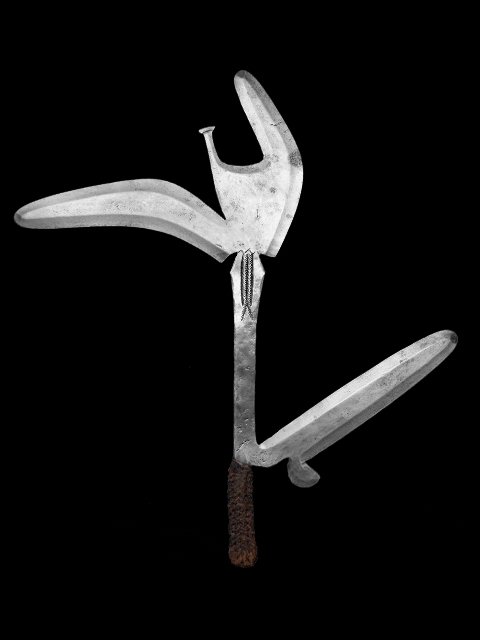
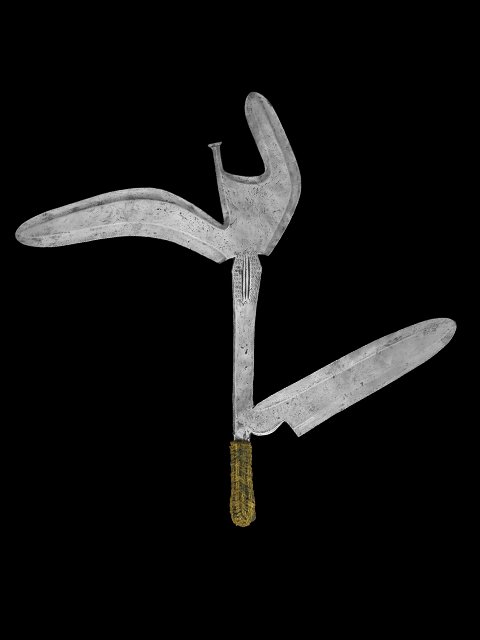
Occupying the basin of the Uele and Mbomou Rivers, this stylistic
province extends to the Central African Republic in the north,
the D.R. Congo in the south, and southern South Sudan in the east.
The north is covered with savannah dotted with forests and the south
with dense tropical forests. The Zande people populate the east,
the Nzakara the west, and the Yakoma the southwest. The dominant
Zande clan is the Avongara (Vongara, Avungara), who assimilated by
conquest of their neighboring tribes: Barambo, Adio, Sere, Kare,
Momvu, Medje, Mangbele, and certain Banda and Bandia groups
(Rafaï), hence a certain « Zandéisation » of the region. In the west,
there were three kingdoms: Bangassu, Rafaï, and Djabbir. The Bangassu
were inhabited by the Nzakara (who were under Bandia control) and
they maintained belligerent relations with the other kingdoms (Rafaï
and Djabbir) as well as with the neighboring Yakoma and Banda tribes
(Mbugbu-Langba, Wada and Vidri). The Yakoma (Ngbandi) are
renowned blacksmiths and their territory is rich in iron. Conflicts and
exchanges explain the reciprocal influences in blacksmithing work.
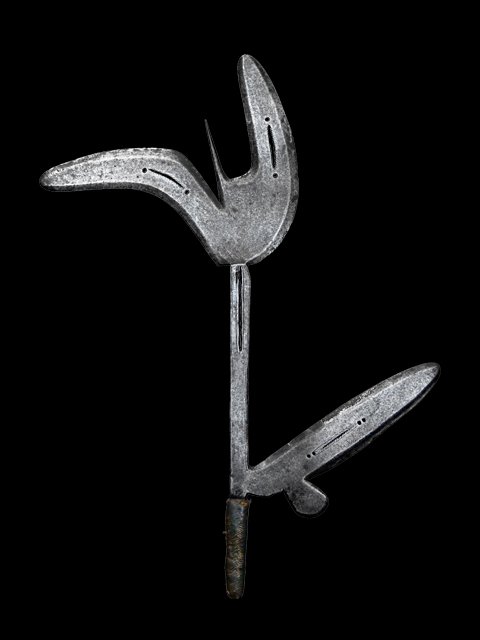
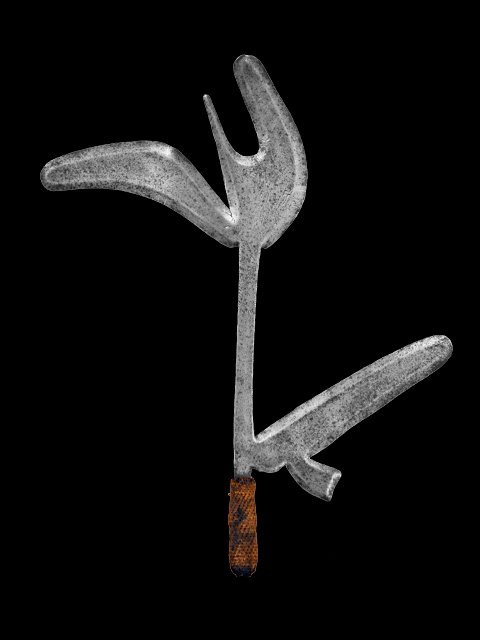
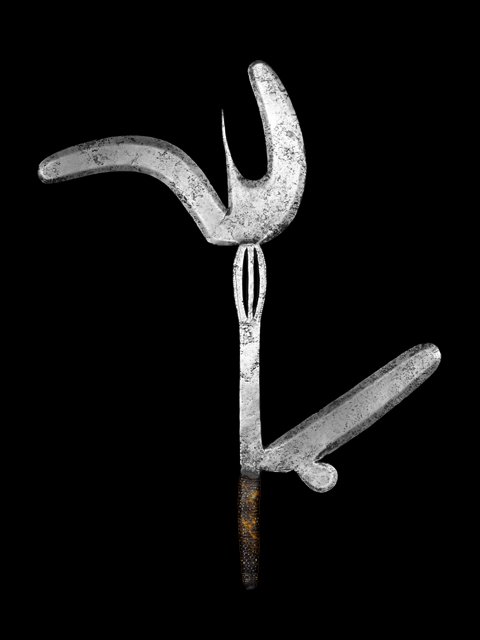
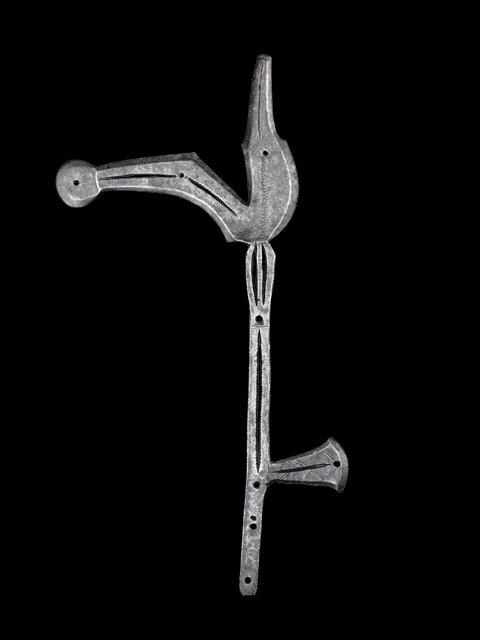
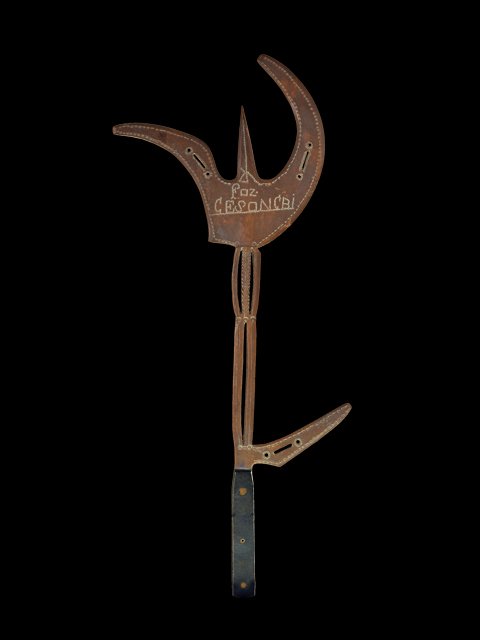
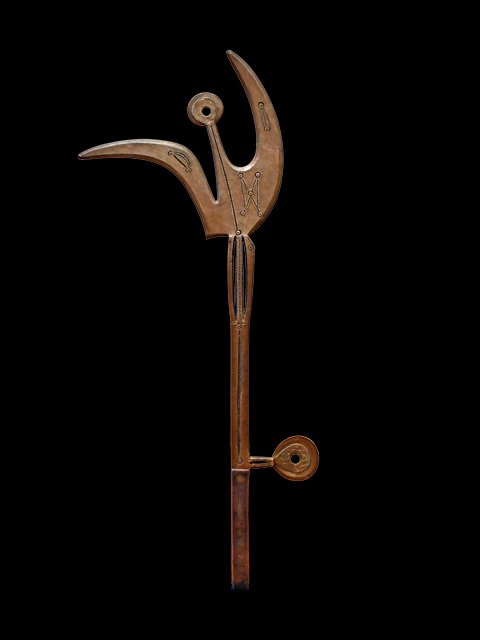
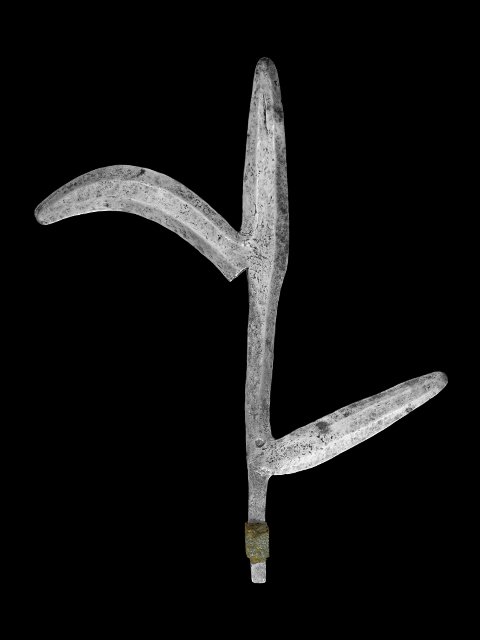
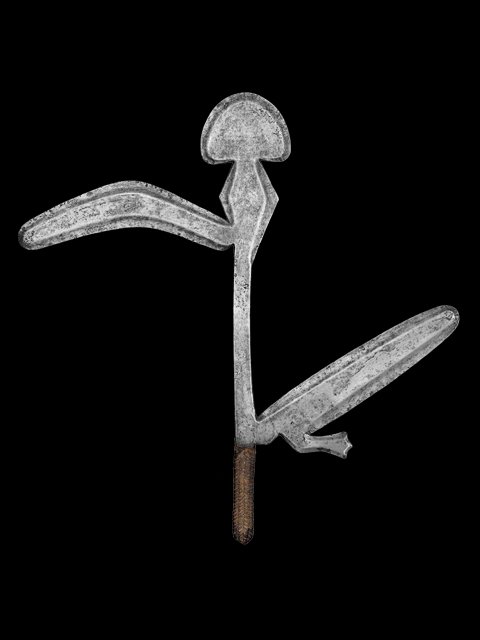
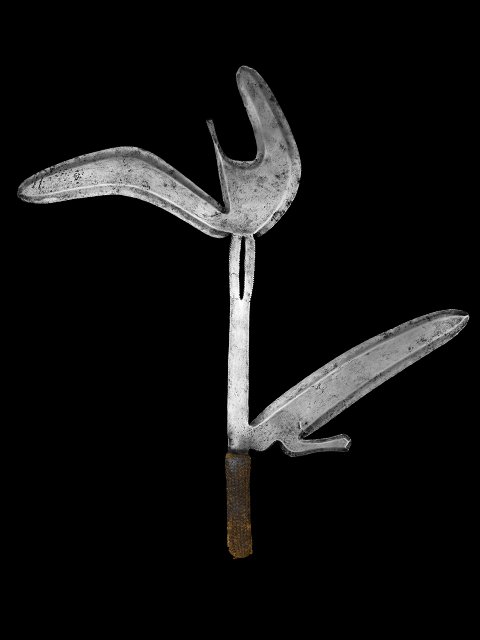
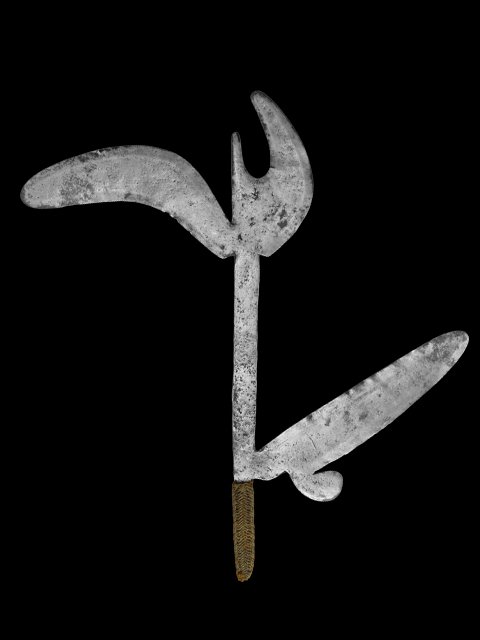
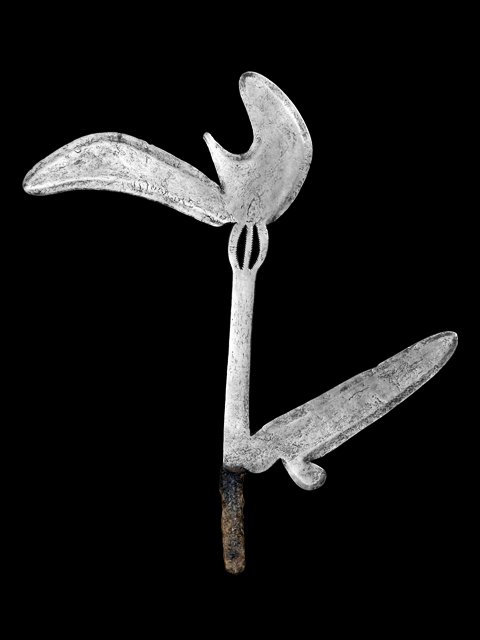
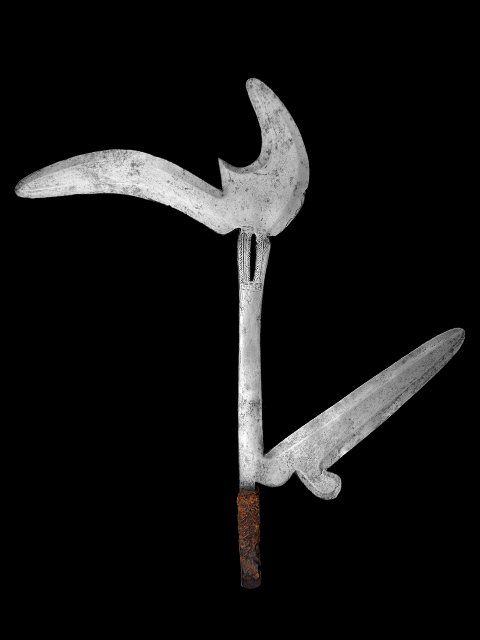
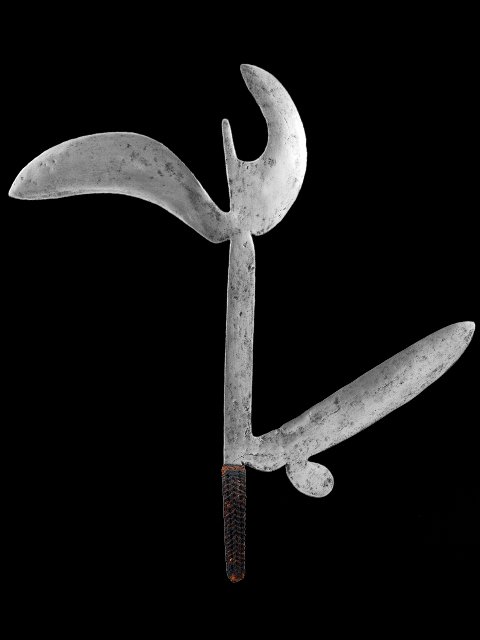
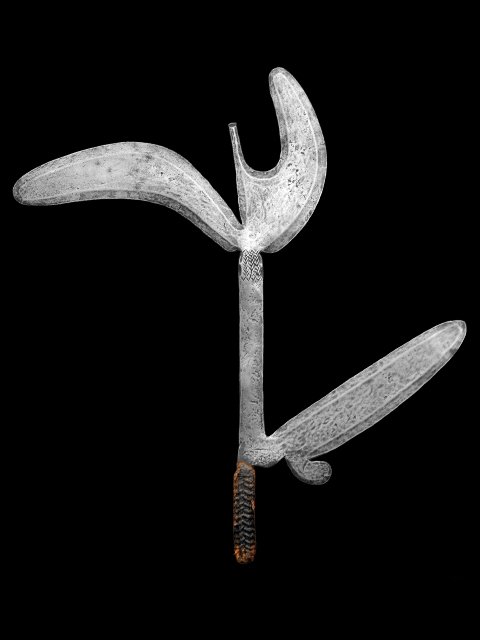
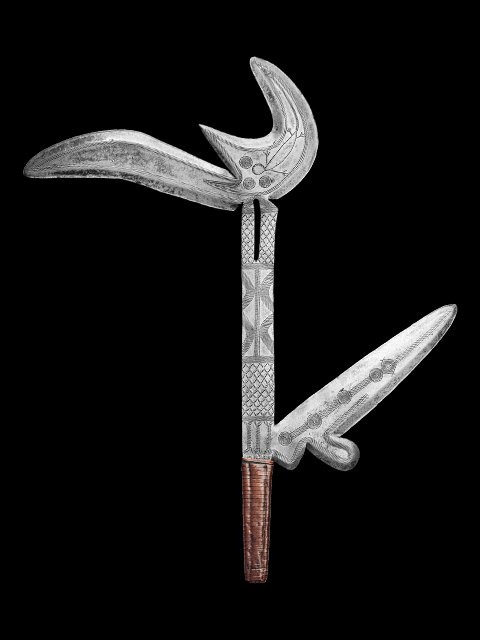
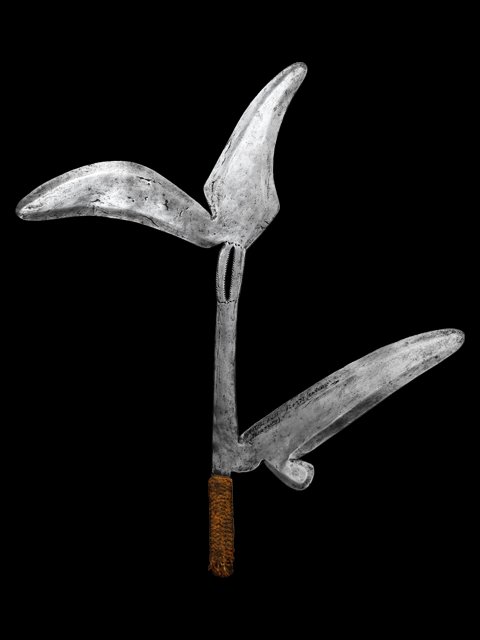
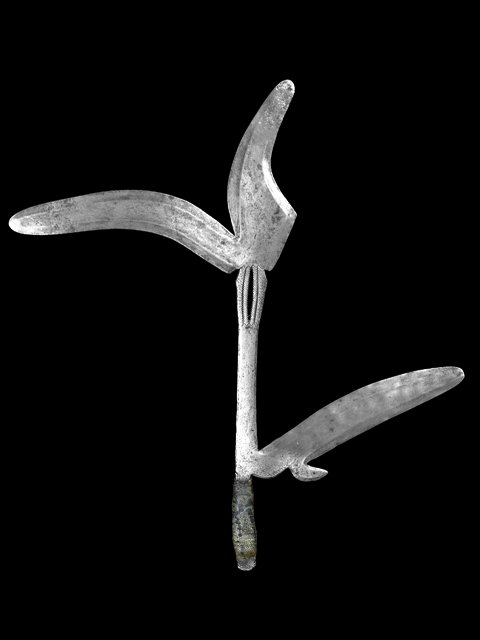
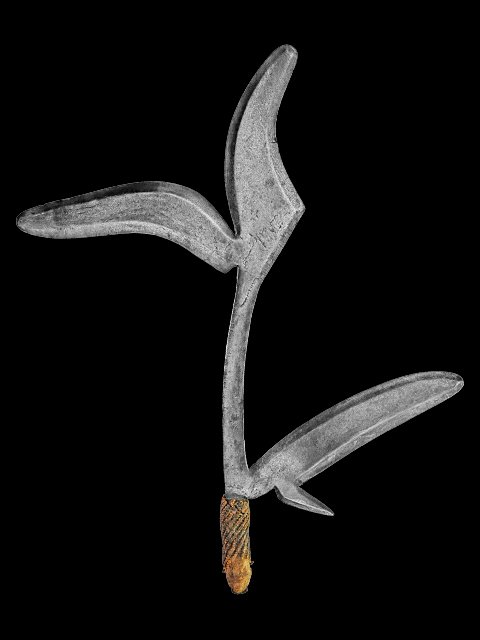
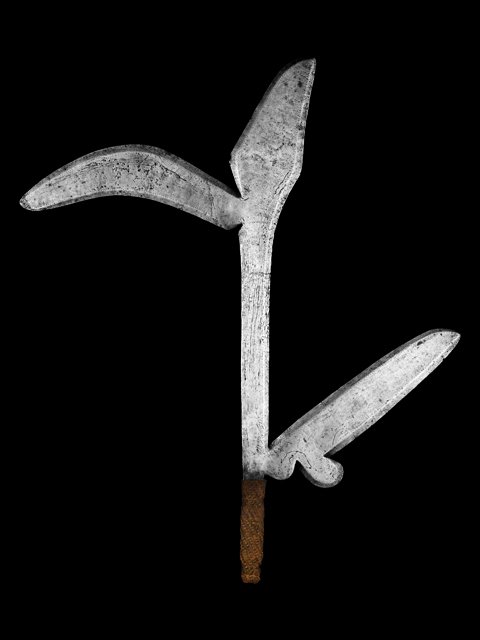
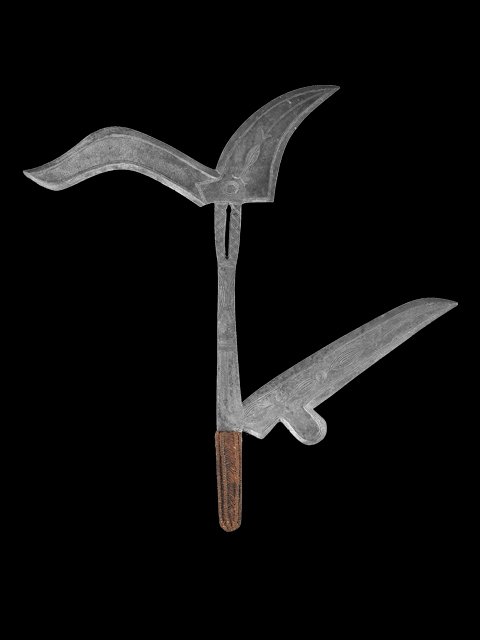
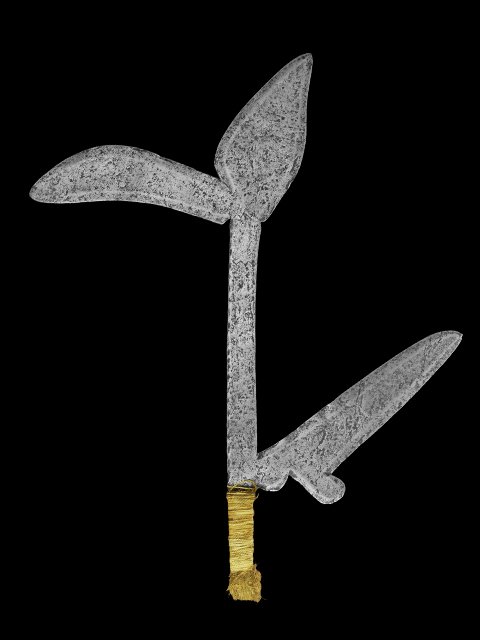
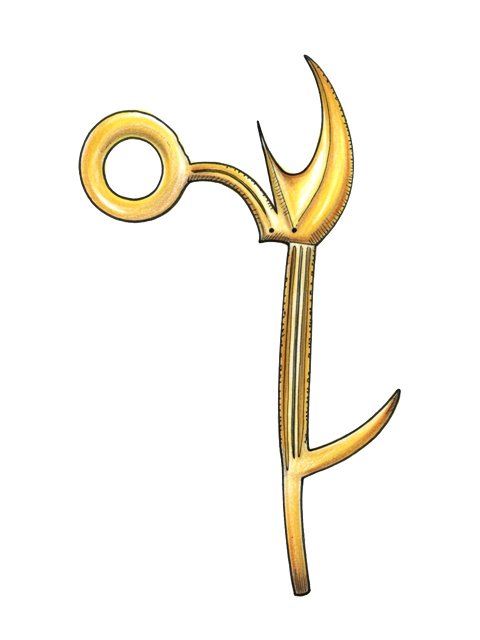
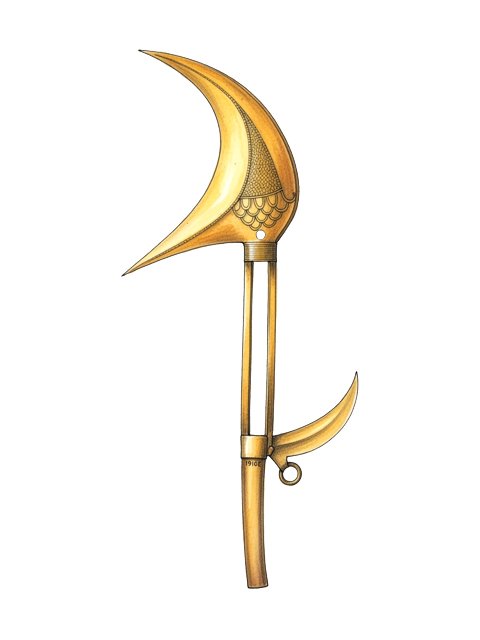
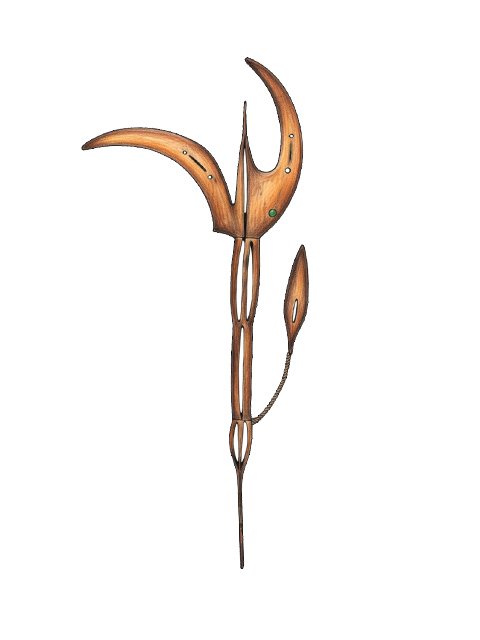
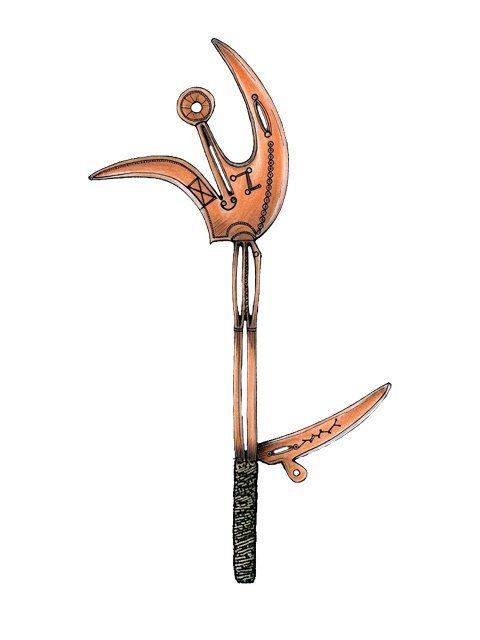
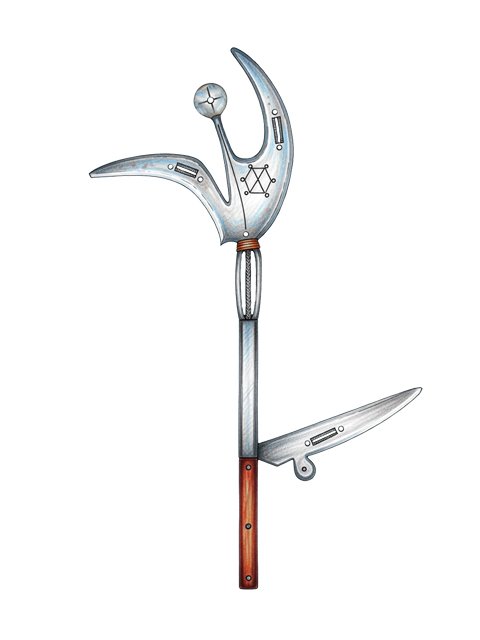
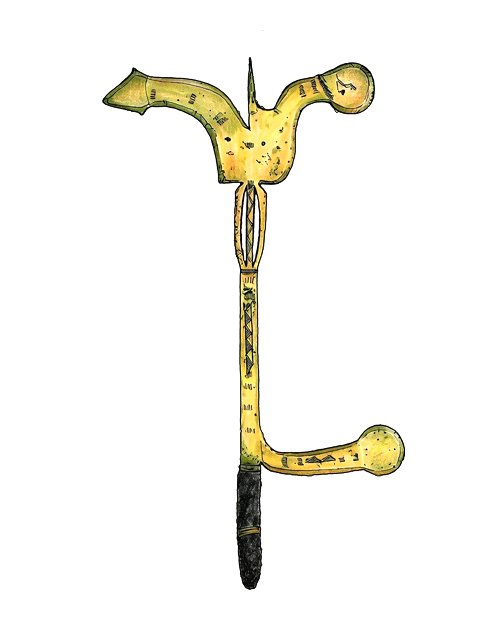
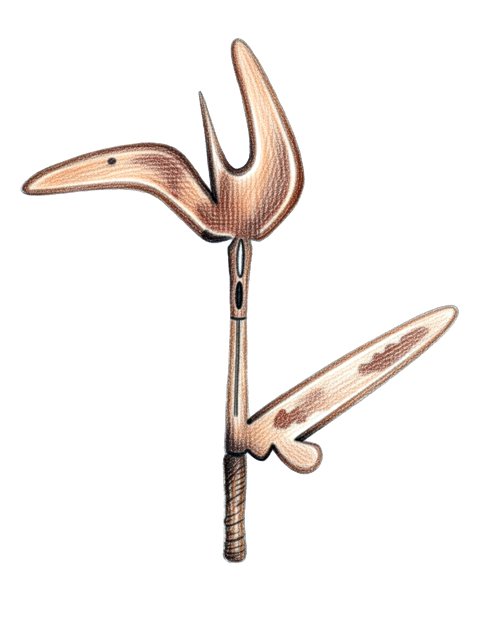
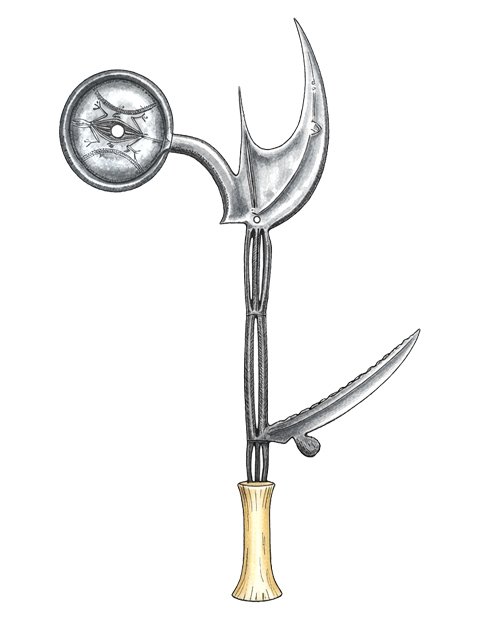
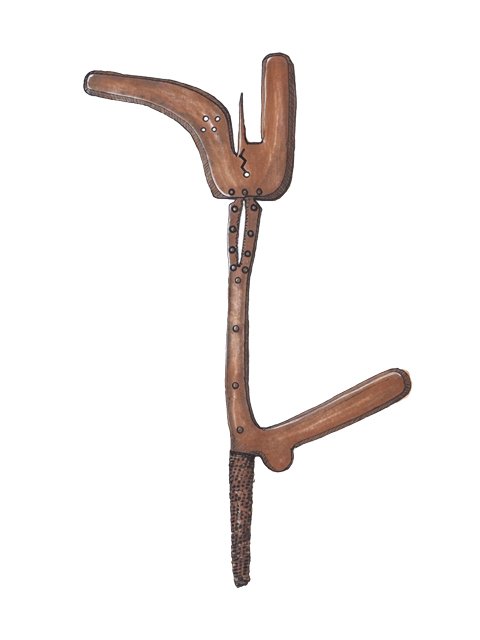
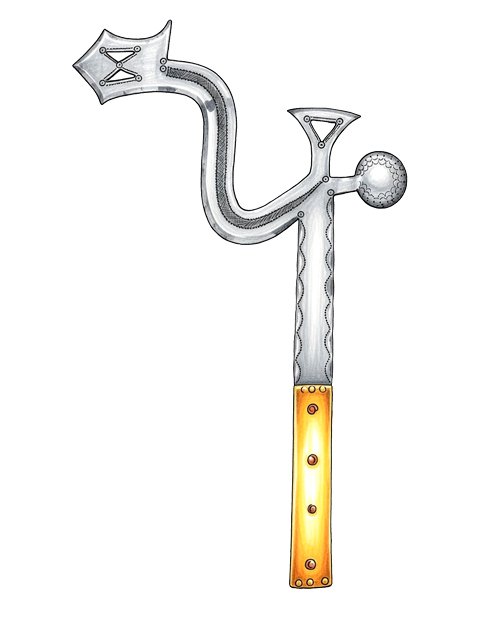
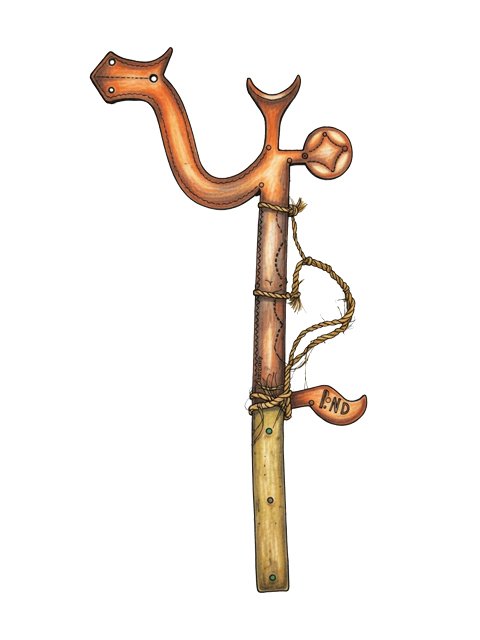
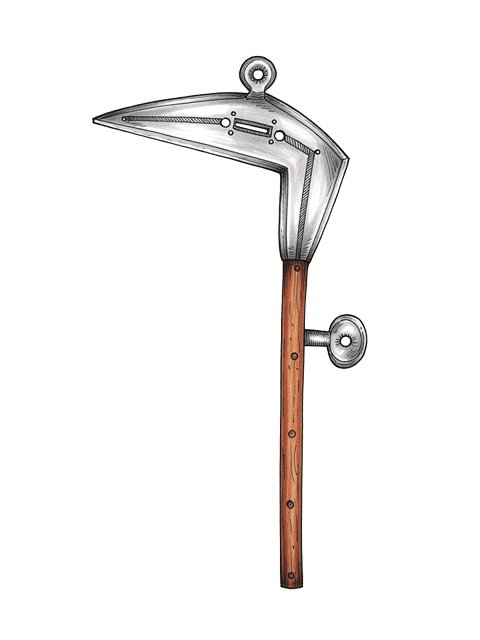
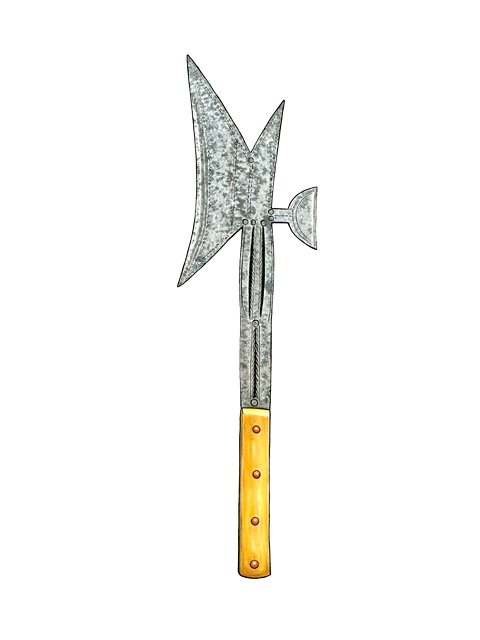
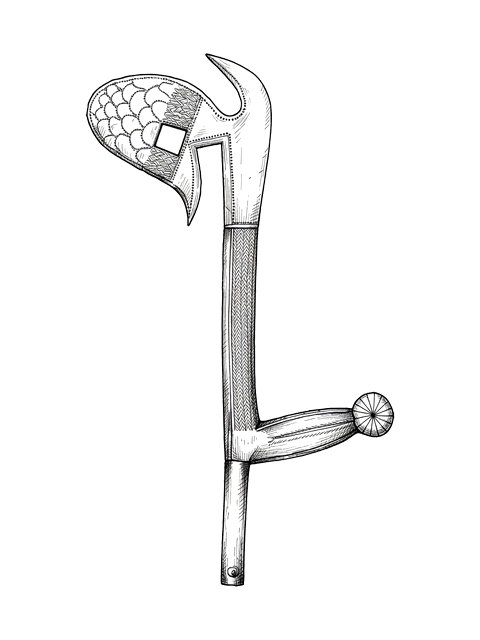
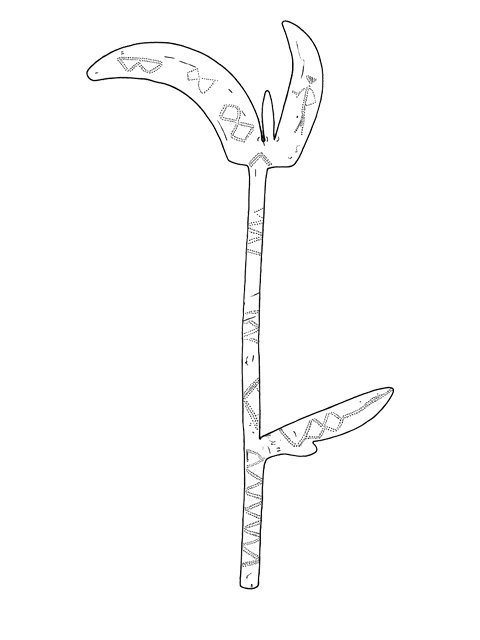
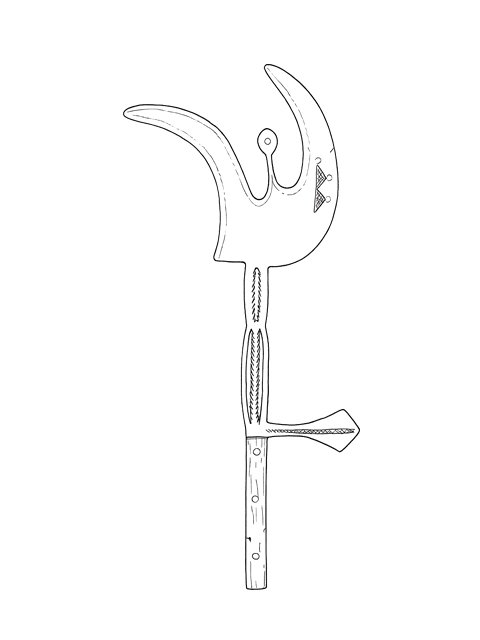
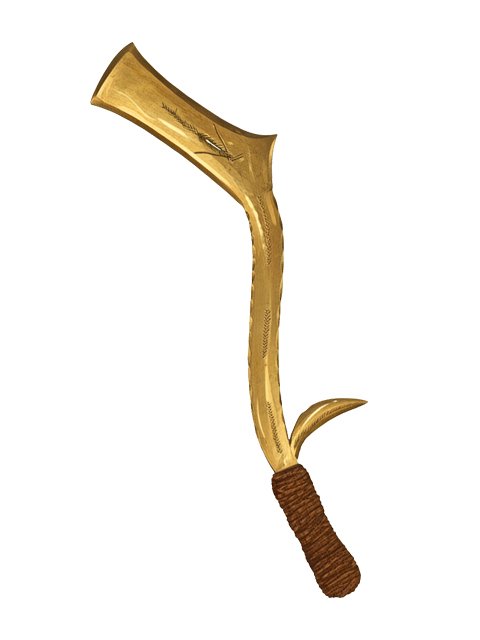
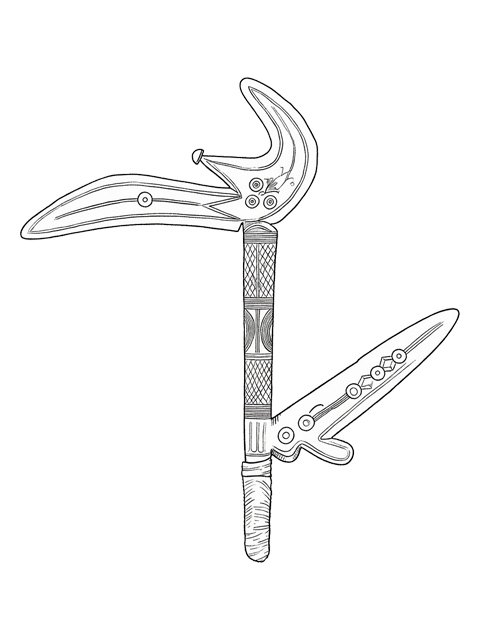
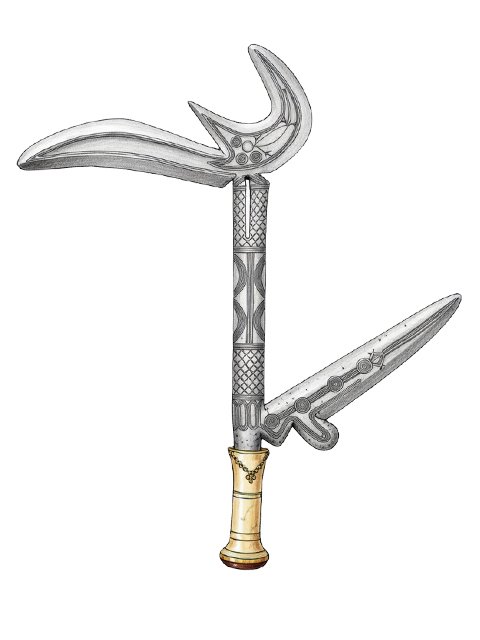
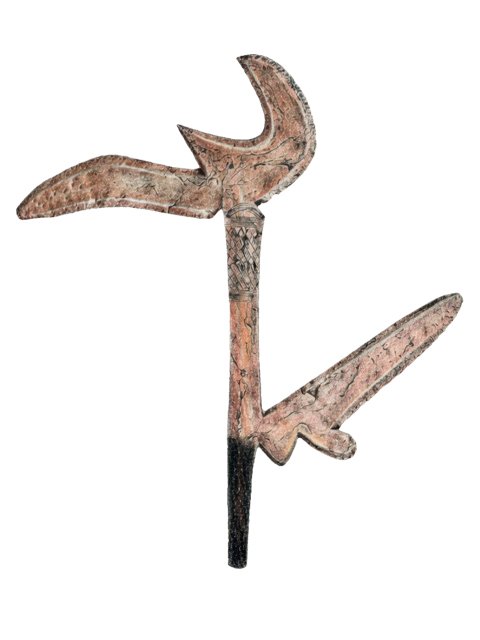
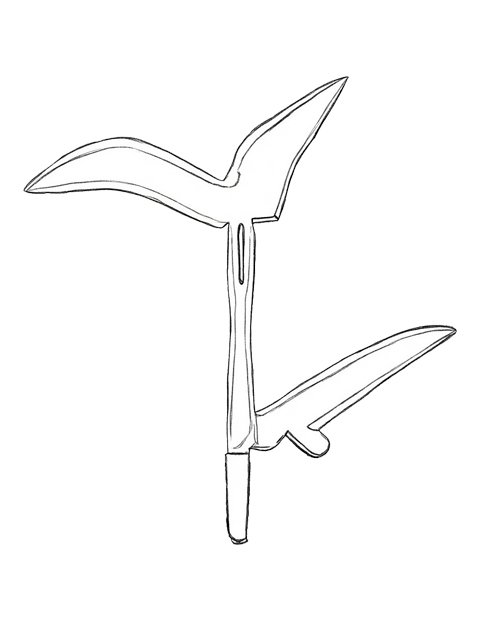
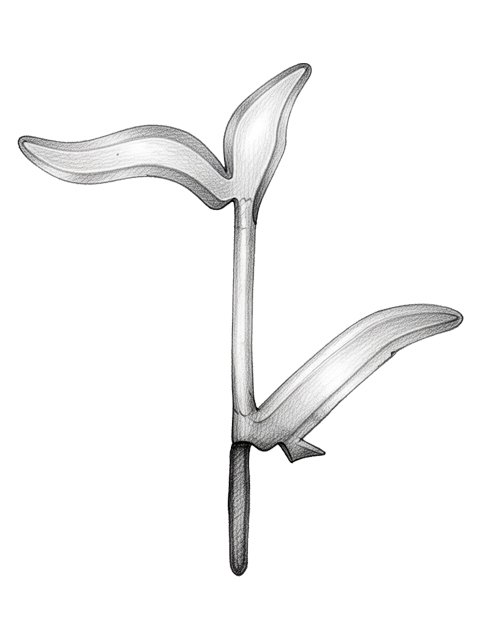
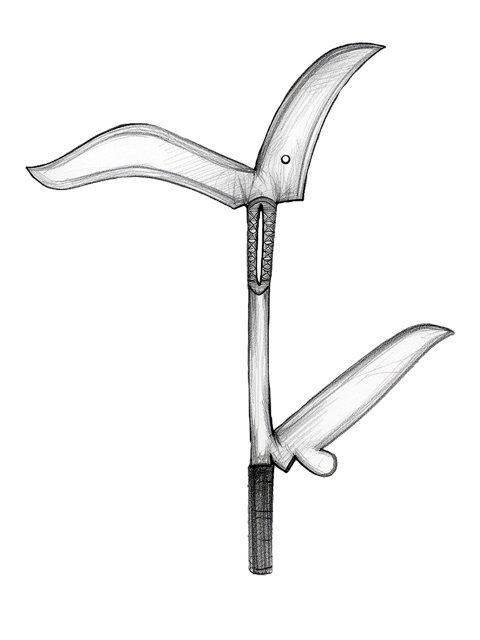
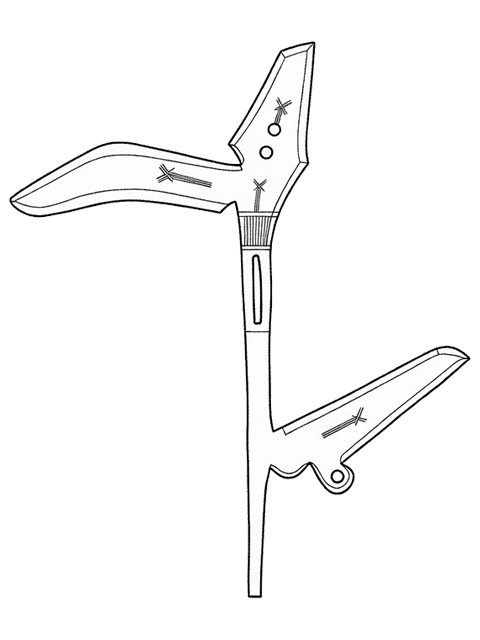
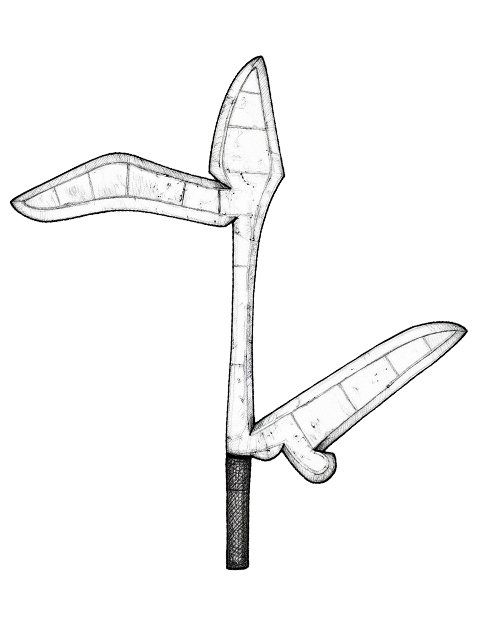
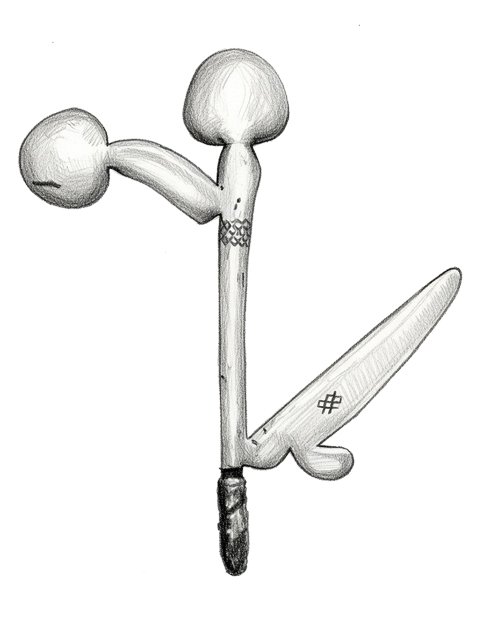
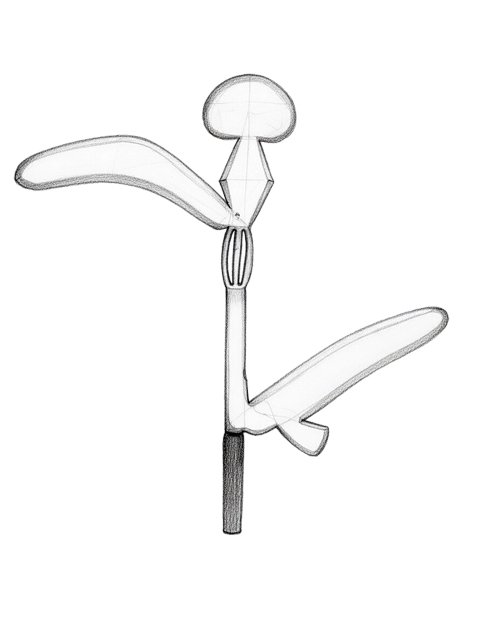
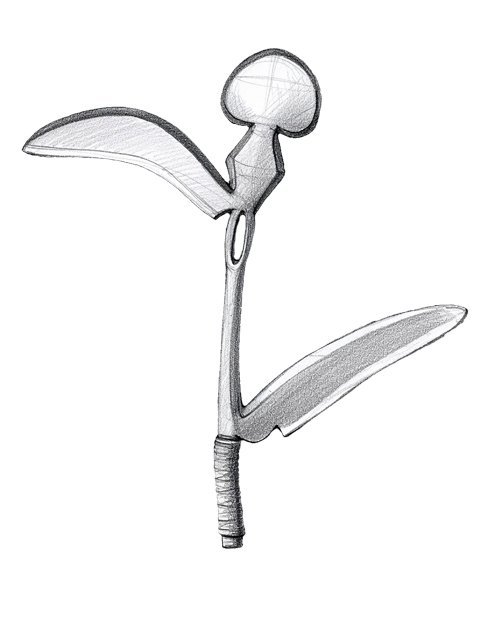
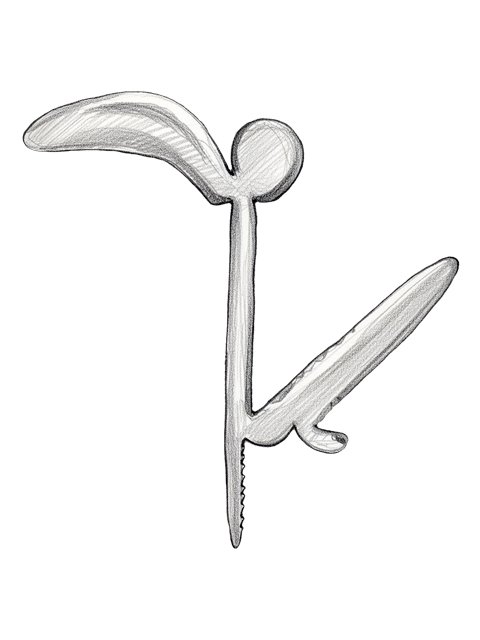
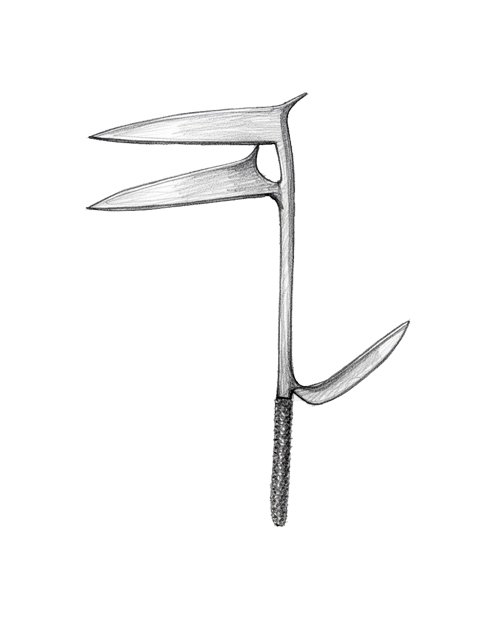
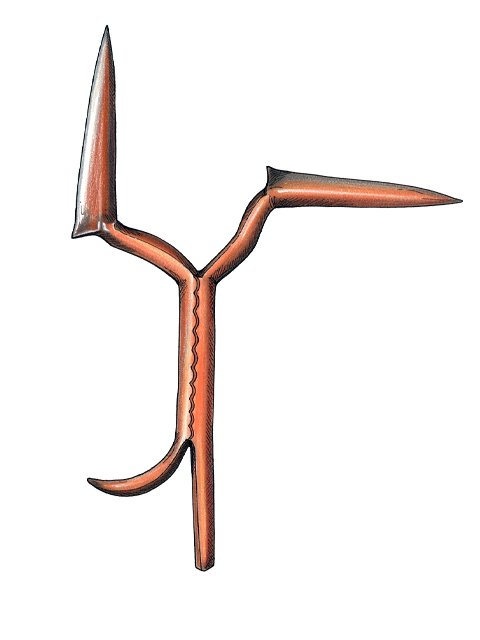
The dominant form is the Z, and the knives measure from 35 to 45cm
and weigh from 400 to 500g. Among the Yakoma, I-shaped multi-point
knives have been found which are therefore not sickle knives.
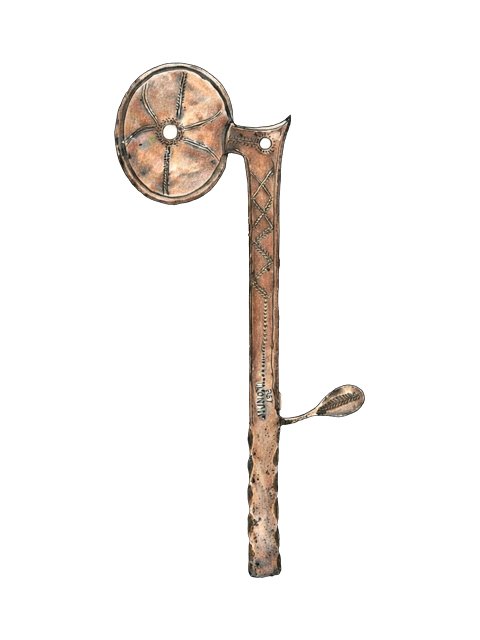
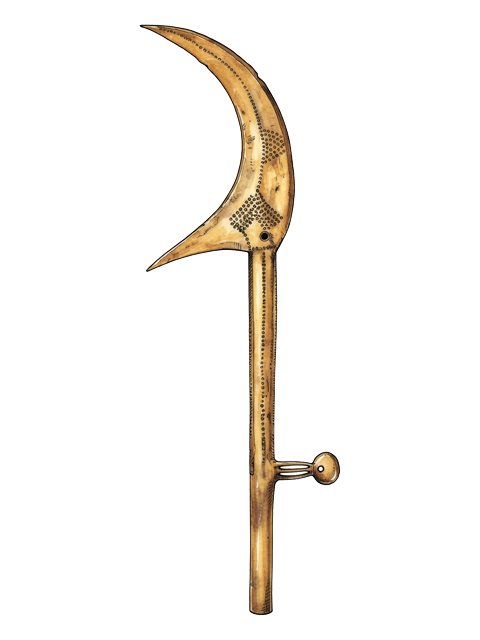
The handles are made of braided fiber or covered with leather or
copper bands, and sometimes prestige weapons wear a handle in
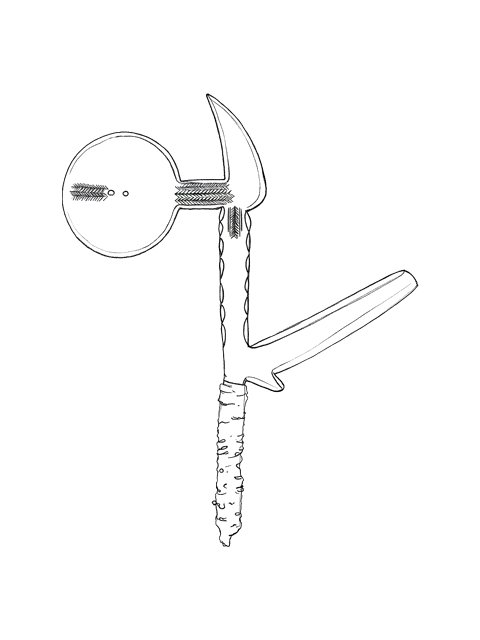
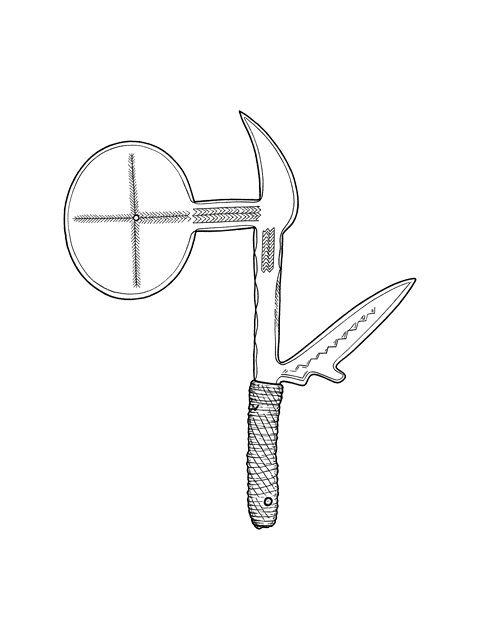
ivory. These knives are called kpinga (mpinga, kwinga, pingah, pwinga,
penga, kipinga, enga, gonva, and mobba).
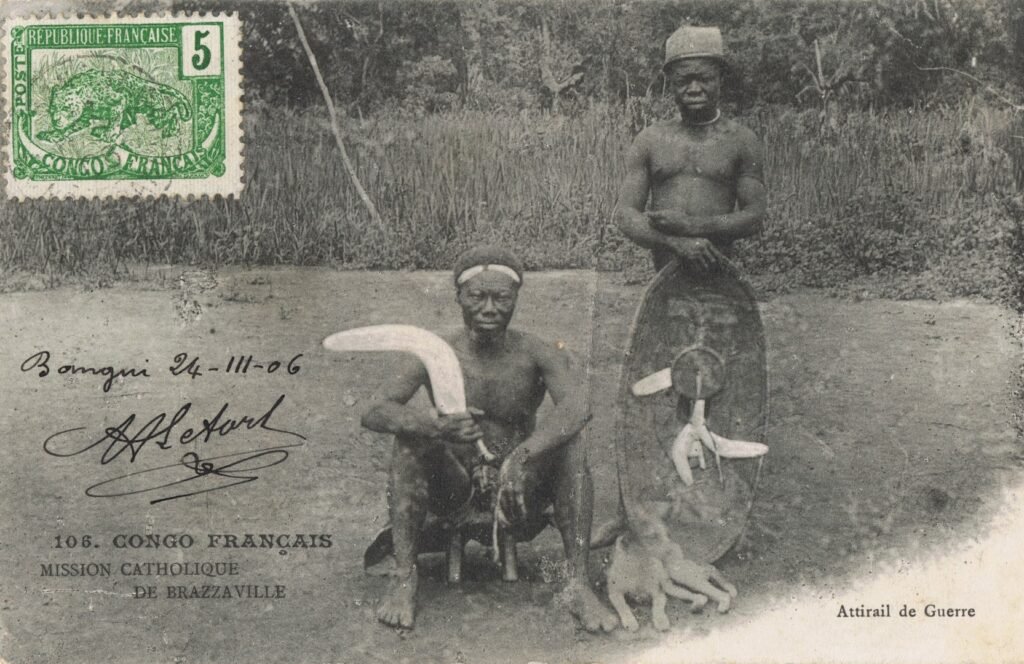
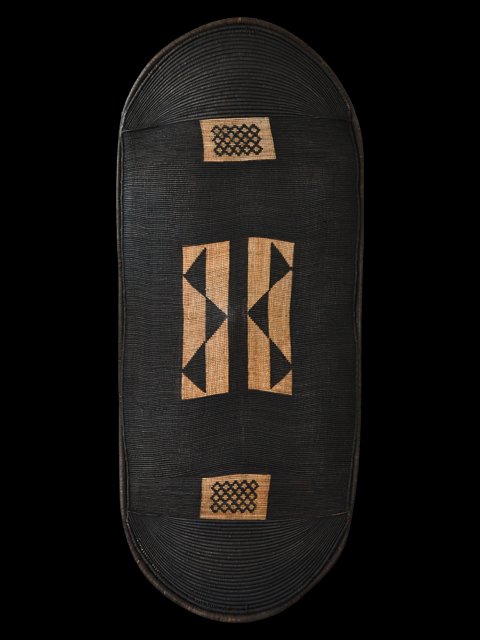
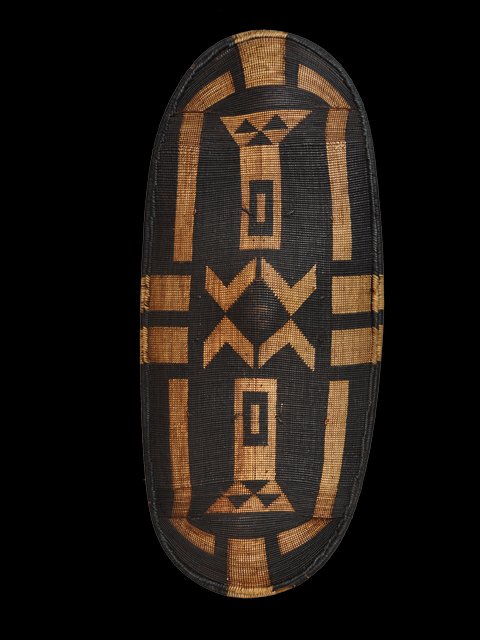
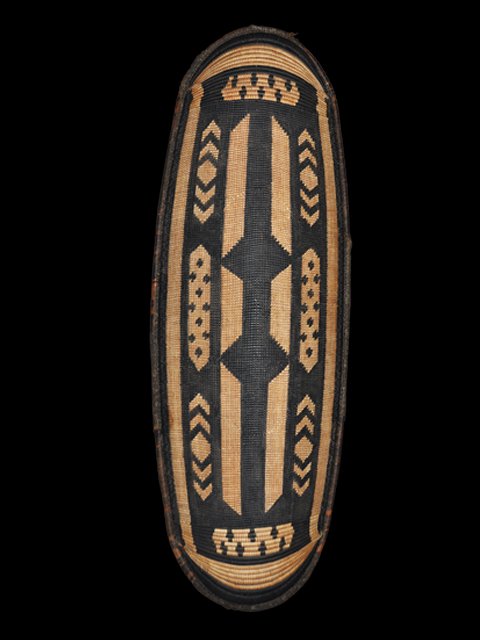
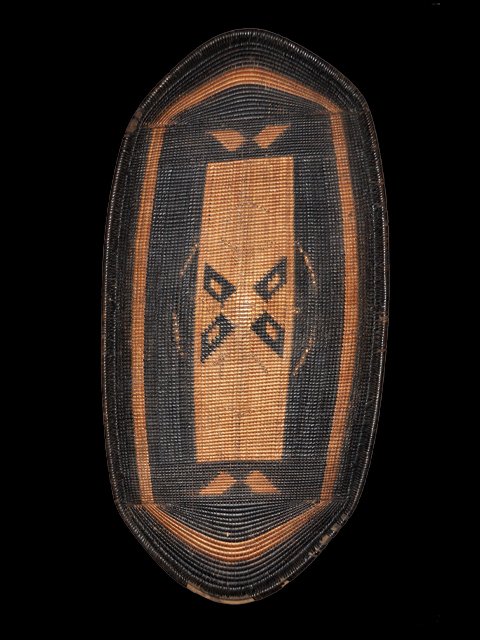
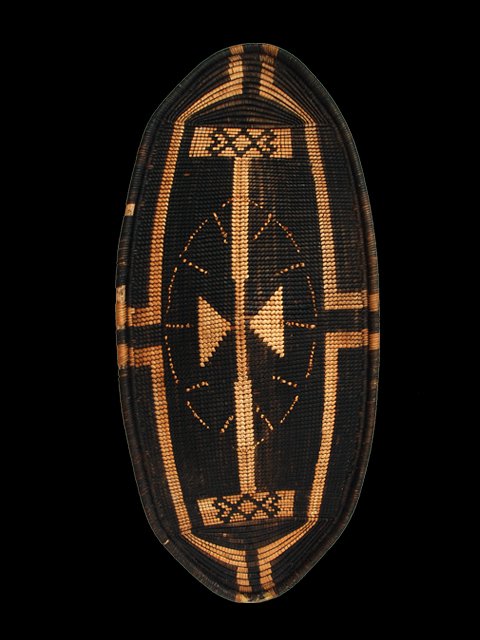
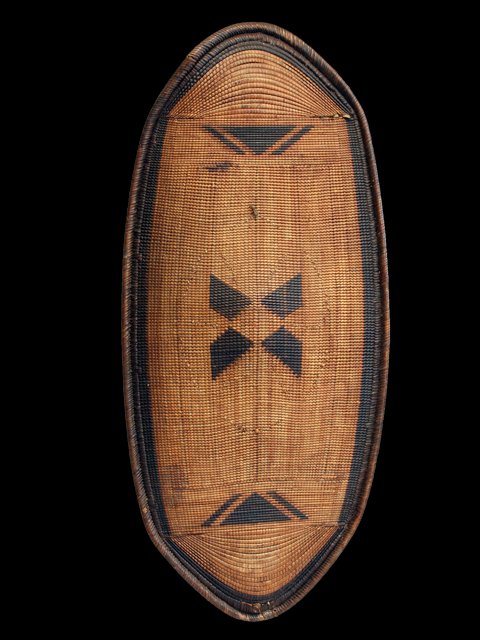
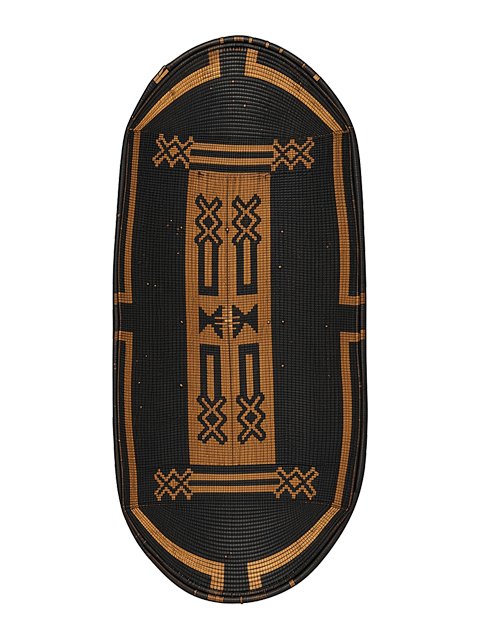
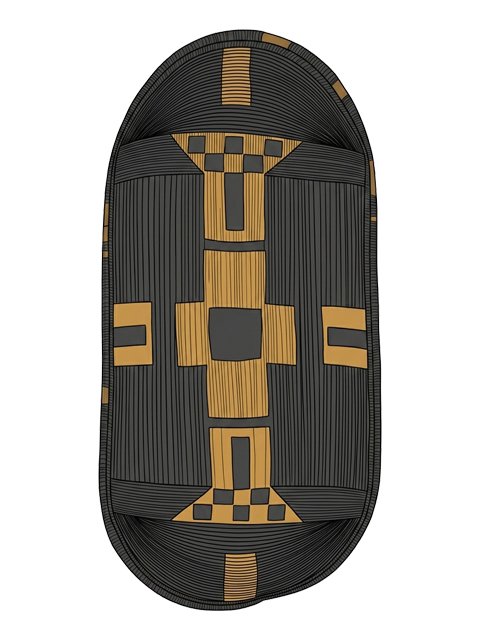
The Zande’s main armament is composed of spears (3-4) and a shield
(vura), available in different sizes depending on rank (gbilija, kube,
kpawangbwada), behind which throwing knives are suspended from
a metal disc (lengasi). They also used daggers, curved knives, sabers,
and the trumbash (borrowed from the Mangbetu). The bow was used
only by the Yakoma. The Nzakara-Bandia have smaller basketry shields
with disks for carrying knives.
The kpinga is described as one of the most effective throwing knives,
as its accomplished form allowed for distant flight and inflicted serious
injuries.
The Zande had a structured military organization and waged
organized campaigns, and it is estimated that thousands of
throwing knives were manufactured for the army. Certain highly
decorated models were reserved for the elite.